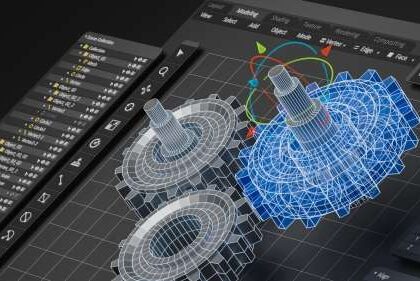

Creating realistic scale models is both an art and a science, with precision engineering at its core. It is this meticulous approach that transforms a simple model into a masterpiece, capturing every detail of the original object while maintaining structural integrity and functionality. Whether for hobbyists or professionals, precision is what sets apart exceptional scale models from the rest.
1. What Is Precision Engineering in Scale Modeling?
Precision engineering involves the application of accurate measurements, advanced tools, and fine craftsmanship to ensure every aspect of a scale model is true to life. It includes:
- Dimensional Accuracy: Maintaining exact proportions to replicate the original.
- Detail Reproduction: Capturing even the smallest features like rivets, textures, and engravings.
- Material Optimization: Selecting materials that offer strength, durability, and a realistic finish.
2. The Role of Technology in Precision
a. Computer-Aided Design (CAD)
CAD software is vital for creating precise digital blueprints. Benefits include:
- 3D Visualization: Allows designers to view the model from all angles before production.
- Accuracy: Ensures exact scaling and alignment of parts.
- Customization: Enables the addition of intricate details with ease.
b. 3D Printing
Advanced 3D printing technology revolutionizes model development by:
- Creating Complex Parts: Producing intricate geometries that are difficult to achieve manually.
- Minimizing Errors: Ensuring uniformity and consistency in parts.
- Speeding Production: Reducing the time required for prototyping and manufacturing.
c. CNC Machining
For metal and high-strength components, CNC machining offers:
- Precision Cutting: Achieving fine tolerances for structural parts.
- Smooth Finishes: Providing a polished look straight out of the machine.
3. Key Elements of Precision Engineering
a. Measurement and Scaling
Accurate measurements are the foundation of a realistic model. Tools like calipers, micrometers, and laser measurement devices ensure precision.
b. Detailed Components
From engine parts to cockpit controls, replicating small details adds authenticity to the model. Techniques include:
- Photo-Etching: Creating fine metal details like grills and railings.
- Decal Printing: Adding realistic markings and textures.
c. Structural Integrity
Models must not only look accurate but also maintain their form over time. This involves:
- Reinforcement: Using internal supports for large or delicate components.
- Material Selection: Balancing strength and weight with materials like resins, plastics, and metals.
4. Challenges in Precision Engineering
a. Miniaturization
Replicating small details requires skill and the right tools. Solutions include magnification tools and high-precision equipment.
b. Material Limitations
Some materials may lack the necessary properties for fine detailing or durability. High-quality resins, metals, and hybrid materials can overcome these issues.
c. Assembly Complexity
Precision parts can be difficult to assemble without damaging them. Using jigs, clamps, and slow-drying adhesives can aid the process.
5. Precision in Enhancing Realism
a. Surface Details
Engraved panel lines, textured finishes, and weathering effects bring models to life.
b. Functional Elements
Incorporating movable parts like doors, wheels, and propellers adds an extra layer of authenticity.
c. Lighting and Electronics
LEDs and other electronic components can simulate realistic lighting and operational features.
6. Why Precision Matters
Precision engineering in scale modeling isn’t just about accuracy; it’s about storytelling. A precisely crafted model:
- Captures History: Immortalizes iconic vehicles, buildings, and scenes.
- Evokes Emotion: Allows viewers to connect with the model on a deeper level.
- Demonstrates Skill: Showcases the modeler’s expertise and attention to detail.
7. The Future of Precision Engineering in Scale Models
The integration of AI, advanced robotics, and sustainable materials is pushing the boundaries of scale modeling. Future developments include:
- Hyper-Realistic Models: Enhanced with AI-assisted design and augmented reality.
- Eco-Friendly Materials: Offering sustainable alternatives without compromising quality.
- Collaborative Platforms: Enabling global teams to work on complex projects in real-time.
Conclusion
Precision engineering is the heart of scale model development, turning concepts into lifelike miniatures. By leveraging advanced tools, innovative techniques, and meticulous craftsmanship, modelers can achieve unparalleled realism. As technology continues to evolve, the possibilities for precision and creativity in scale modeling are limitless.
Would you like to explore the tools and techniques that can take your scale modeling to the next level?