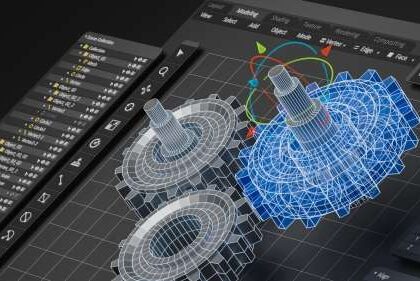

Scale modeling is a rewarding hobby that combines craftsmanship, creativity, and attention to detail. For beginners, developing high-quality scale models can seem daunting, but with the right approach, tools, and techniques, you can create impressive and realistic replicas. This guide will walk you through the essentials of scale model development, from choosing your first kit to mastering advanced techniques.
1. Understand Scale Modeling Basics
Scale modeling involves creating miniature replicas of real-world objects, such as:
- Vehicles: Cars, trucks, buses, and aircraft.
- Military Equipment: Tanks, ships, and weapons.
- Buildings: Architectural landmarks and dioramas.
The scale represents the size ratio between the model and the original object (e.g., 1:24 means the model is 24 times smaller than the real thing).
2. Choose the Right Model Kit
Start with a beginner-friendly kit that matches your interests. Consider:
- Skill Level: Kits are often labeled as beginner, intermediate, or advanced.
- Scale Size: Larger scales (e.g., 1:24) are easier for beginners as they offer more detail and larger parts.
- Material: Plastic kits are the most common and easiest to work with.
3. Gather Essential Tools and Supplies
Here’s what you’ll need to get started:
- Cutting Tools: Hobby knife or sprue cutter for removing parts from sprues.
- Adhesives: Plastic cement or super glue for assembly.
- Painting Supplies: Acrylic paints, brushes, and an airbrush for detailed finishes.
- Sanding Tools: Sandpaper or files for smoothing edges.
- Decals: Pre-made or custom decals for realistic detailing.
4. Master the Building Process
Step 1: Prepare Your Workspace
- Work in a clean, well-lit area with proper ventilation.
- Use a cutting mat to protect your surface.
Step 2: Read the Instructions
- Carefully review the kit instructions before starting.
- Familiarize yourself with the part numbers and assembly sequence.
Step 3: Clean and Test Fit Parts
- Wash parts in soapy water to remove mold release agents.
- Test fit parts before gluing to ensure proper alignment.
Step 4: Assemble in Stages
- Follow the instructions step by step, assembling parts in logical sections (e.g., chassis, body, wheels).
- Allow glued parts to dry thoroughly before proceeding.
5. Painting Techniques for Beginners
Painting brings your model to life, so take your time with this step.
a. Priming
- Apply a primer to ensure paint adheres evenly.
- Use spray primers for smooth, consistent coverage.
b. Base Coating
- Apply the base color using a brush or airbrush.
- Use thin, even layers to avoid brush marks.
c. Detail Painting
- Add fine details like cockpit interiors, wheels, or logos with a fine-tip brush.
- Highlight edges and create depth with washes or dry brushing techniques.
d. Sealing
- Protect your paint job with a clear coat (matte, gloss, or satin finish).
6. Apply Decals for Realism
Decals add the final touches to your model.
a. Prepare the Surface
- Ensure the painted surface is smooth and clean.
- Apply a gloss coat to prevent decal silvering.
b. Apply Decals
- Soak decals in water for a few seconds until they slide off the backing paper.
- Position the decal carefully and press it into place with a soft brush.
c. Seal the Decals
- Apply a final clear coat to protect decals and blend them into the surface.
7. Troubleshooting Common Issues
- Misaligned Parts: Use masking tape or clamps to hold parts in place during assembly.
- Paint Runs: Sand down the area and repaint.
- Decal Wrinkles: Use decal softener to smooth out imperfections.
8. Enhance Your Models with Dioramas
For added creativity, place your scale model in a realistic setting by building a diorama. Include elements like:
- Landscapes: Grass, sand, or water effects.
- Buildings: Miniature structures or backdrops.
- Figures: People, animals, or additional vehicles.
9. Join the Scale Modeling Community
Connect with other enthusiasts to learn and grow:
- Forums and Groups: Online communities like Reddit or dedicated modeling forums.
- Social Media: Share your creations on Instagram or Facebook.
- Local Clubs: Participate in workshops or model contests.
10. Practice and Patience Lead to Perfection
Scale modeling is a skill that improves with practice. Start small, embrace the learning process, and don’t be afraid to experiment with new techniques.
Conclusion
Developing high-quality scale models is an art that combines precision, creativity, and patience. By following this guide, you’ll be equipped with the knowledge and tools to create stunning replicas that showcase your passion for modeling. Embrace the journey, and enjoy the satisfaction of bringing miniature worlds to life!
Would you like additional tips or templates to enhance your scale modeling skills?