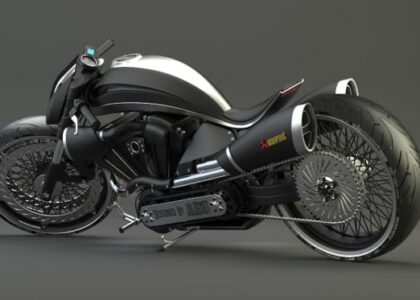
3D design has revolutionized the world of scale modeling, making it possible to create incredibly intricate and realistic replicas of vehicles, buildings, and other objects. Whether you’re a hobbyist or a professional, mastering 3D design can take your scale models to the next level. In this detailed guide, we’ll walk you through the process of 3D designing for scale models, covering essential tools, techniques, and tips.
1. Understanding the Basics of 3D Design
Before diving into the process, it’s essential to understand what 3D design entails. At its core, 3D design involves creating a digital representation of an object using specialized software. For scale models, this means accurately replicating the proportions, details, and textures of real-world objects in a smaller size.
- Why 3D Design Matters for Scale Models:
- Ensures precise proportions and dimensions.
- Allows for the creation of intricate details that are hard to achieve manually.
- Simplifies customization and revisions.
2. Choosing the Right 3D Design Software
The first step in mastering 3D design is selecting the right software. The choice depends on your skill level and the complexity of the models you want to create.
- Beginner-Friendly Tools:
- Tinkercad: Simple and easy-to-learn for basic designs.
- SketchUp: Great for architectural and mechanical models.
- Advanced Tools for Professionals:
- Blender: Open-source software with extensive features.
- Fusion 360: Ideal for precision engineering and parametric designs.
- SolidWorks: A go-to tool for industrial-grade modeling.
3. The Step-by-Step Process of 3D Designing for Scale Models
Step 1: Research and Reference Collection
Start by gathering detailed references of the object you wish to model. Use blueprints, photographs, and technical drawings to ensure accuracy.
Step 2: Planning the Scale
Decide on the scale of your model (e.g., 1:24, 1:72). Ensure all dimensions are adjusted proportionally during the design process.
Step 3: Sketching the Design
Begin with a 2D sketch of your model within the software. This helps establish the basic structure and dimensions.
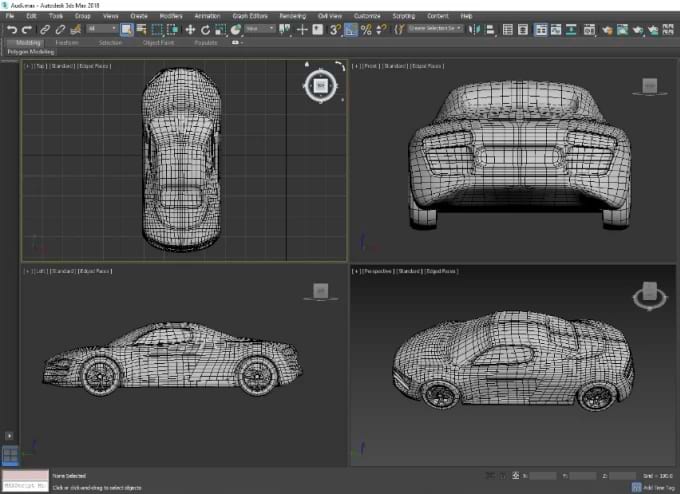
Step 4: Building the 3D Model
- Use basic geometric shapes (cubes, cylinders, etc.) to form the initial structure.
- Refine the shapes by adding curves, edges, and details.
Step 5: Adding Fine Details
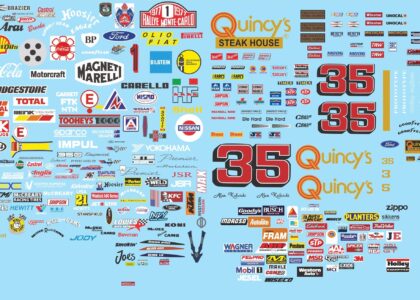
Incorporate intricate elements like panel lines, rivets, logos, or textures to enhance realism. Use tools like Boolean operations or sculpting features in advanced software.
Step 6: Optimizing for 3D Printing
If your design is intended for 3D printing, ensure:
- Proper wall thickness.
- Removal of overhangs or floating elements.
- Optimization of file format (e.g., STL, OBJ).
4. Tools and Techniques for Enhanced Detailing
- Texturing and Shading: Apply realistic materials and textures to simulate the look of metals, plastics, or wood.
- Sculpting: Use sculpting tools for organic shapes like figures or terrain.
- Parametric Modeling: Create adjustable designs that can be resized or modified easily.
5. Common Challenges and How to Overcome Them
- Proportional Accuracy: Use grids, guidelines, and measurements to ensure precise scaling.
- Complex Shapes: Break down intricate designs into smaller, manageable parts.
- File Errors for 3D Printing: Regularly check your model for non-manifold edges or holes using built-in software tools.
6. Benefits of Mastering 3D Design for Scale Models
- Unlimited Customization: Tailor every aspect of your model to match your vision.
- Cost Efficiency: Save on physical prototyping by perfecting designs digitally.
- Ease of Reproduction: Create multiple copies of the same design effortlessly with 3D printing.
7. Future Trends in 3D Design for Scale Models
- AI-Assisted Design: Automating repetitive tasks and improving design accuracy.
- Virtual Reality (VR) Integration: Visualizing models in immersive environments.
- Advanced Materials for Printing: Expanding the range of textures and finishes achievable with 3D printing.
Conclusion
Mastering 3D design is a game-changer for scale model enthusiasts. By leveraging the right tools and techniques, you can create highly detailed, accurate, and visually stunning models. Whether you’re designing for fun or professional purposes, 3D design opens up endless possibilities for creativity and innovation. Start your journey today and elevate your scale modeling projects to new heights!