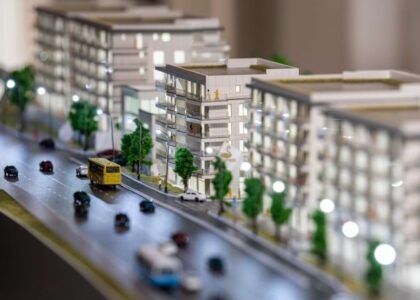
Scale model development is an intricate blend of creativity, craftsmanship, and engineering. It is the process of transforming concepts into miniature representations that showcase the beauty and complexity of real-world objects. Whether you’re replicating a historic aircraft, a futuristic vehicle, or an architectural masterpiece, scale modeling is a rewarding journey of artistry and precision.
1. The Essence of Scale Model Development
At its core, scale modeling is about:
- Realism: Capturing every detail, from proportions to textures.
- Precision: Ensuring accuracy in every component and measurement.
- Creativity: Adding personal touches and unique elements to each model.
By combining technical skill with imagination, scale models become more than just miniatures—they become art.
2. The Process of Bringing Ideas to Life
a. Concept and Planning
The first step is turning an idea into a concrete plan. This involves:
- Research: Gathering reference materials like photos, blueprints, or real-life examples.
- Choosing a Scale: Deciding on the size ratio based on the desired level of detail and display space.
- Sketching and Prototyping: Creating initial drawings or digital models to refine your concept.
b. Designing the Model
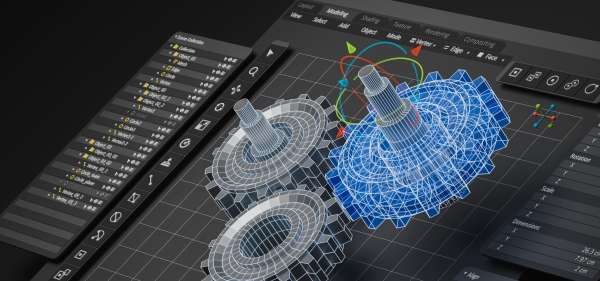
Designing is where creativity meets technology. Tools like CAD (Computer-Aided Design) and 3D modeling software are essential for:
- Blueprint Creation: Defining the structure and components.
- Detailing: Adding intricate features like textures, engravings, or mechanical elements.
- Simulation: Testing the design for structural integrity and functionality.
c. Material Selection
The choice of materials plays a crucial role in the quality of the model. Options include:
- Plastics: Lightweight and easy to mold.
- Resins: Ideal for fine details and durability.
- Metals: Used for high-strength components and realistic finishes.
d. Manufacturing and Assembly
Depending on the complexity, parts can be:
- 3D Printed: For intricate, custom components.
- CNC Machined: For precision-cut parts.
- Handcrafted: For personalized touches.
Assembly involves careful fitting, gluing, and alignment to ensure a seamless final product.
3. Techniques for Elevating Scale Models
a. Painting and Finishing
A model’s finish can make or break its realism. Techniques include:
- Airbrushing: For smooth and even coats.
- Weathering: Adding wear and tear for authenticity.
- Highlighting: Emphasizing edges and textures with washes or dry brushing.
b. Decal Application
Decals add the final touch of realism with logos, markings, and insignias. Custom decals can elevate your model by making it unique.
c. Detailing and Customization
Enhance your model with:
- Interiors: Adding cockpit details or cabin furniture.
- Lighting: Using LED lights for a dynamic effect.
- Functional Parts: Incorporating moving wheels, propellers, or doors.
4. Challenges and How to Overcome Them
Scale model development isn’t without its hurdles:
- Precision Issues: Double-check measurements and test-fit parts.
- Material Limitations: Choose materials suited for the level of detail required.
- Design Complexity: Simplify complex elements without compromising on aesthetics.
5. The Future of Scale Model Development
Technology is revolutionizing scale modeling with innovations like:
- AI-Assisted Design: Automating repetitive tasks and enhancing accuracy.
- Advanced 3D Printing: Offering multi-material and ultra-fine resolution capabilities.
- Sustainable Materials: Eco-friendly options for environmentally conscious modelers.
6. Scale Modeling as a Form of Art
Beyond the technical aspects, scale modeling is an expressive art form. It allows creators to:
- Tell Stories: Through dioramas and thematic models.
- Preserve History: By recreating iconic vehicles, landmarks, or events.
- Innovate: By envisioning futuristic designs and concepts.
Conclusion
The art of scale model development is about transforming ideas into tangible works of craftsmanship. It’s a journey that demands patience, precision, and creativity but rewards with stunning creations that inspire awe. Whether you’re a hobbyist or a professional, scale modeling offers endless possibilities for innovation and expression.
Are you ready to embark on the creative adventure of bringing ideas to life through scale models? Share your thoughts and creations with the community!